Here is a Croatia & Bosnia-Herzegovina travel plan that works even for busy professionals who can’t take long vacations.
Based in Dubrovnik, we also visited Cavtat and Mostar in Bosnia-Herzegovina. I couldn’t find any package tour covering this exact route, so I arranged everything myself. Since the plan requires five and a half days off, it’s not quite a “weekend getaway” — but it should be useful if you can manage a three-day weekend plus 2.5 days of leave, or if you have a full week off and want to get home with time to spare before going back to work.
About Croatia
Croatia is an Eastern European country on the Balkan Peninsula, historically known as “the powder keg of Europe.” It gained independence from Yugoslavia in 1991, but conflict over that independence continued until 1995.
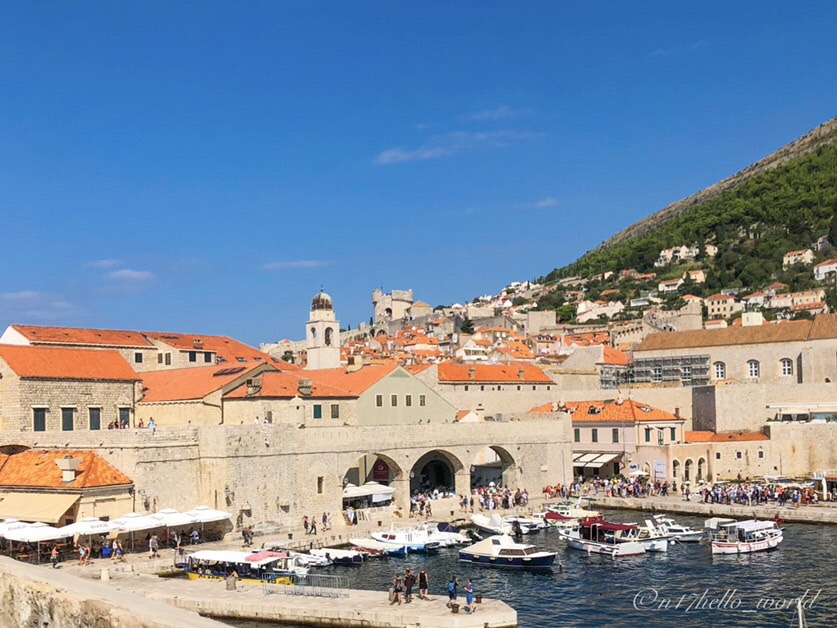
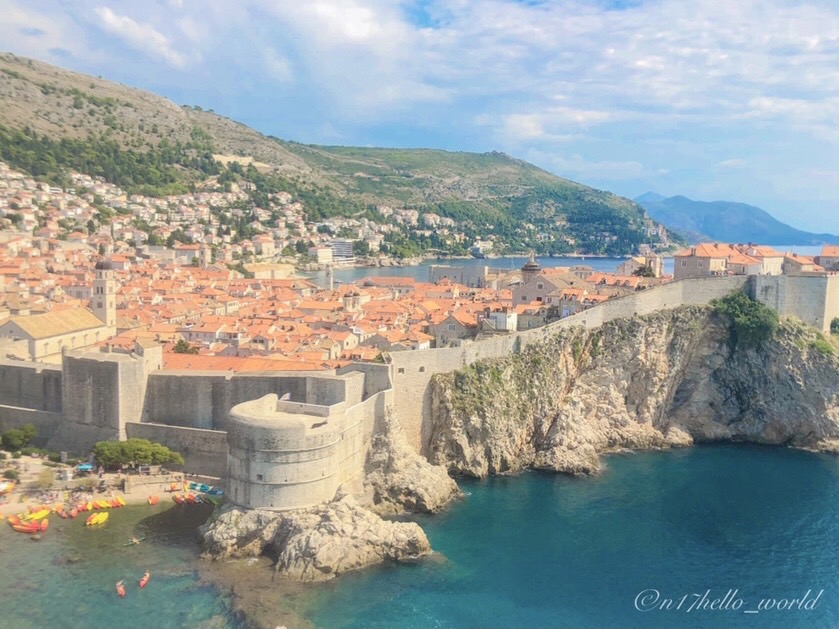
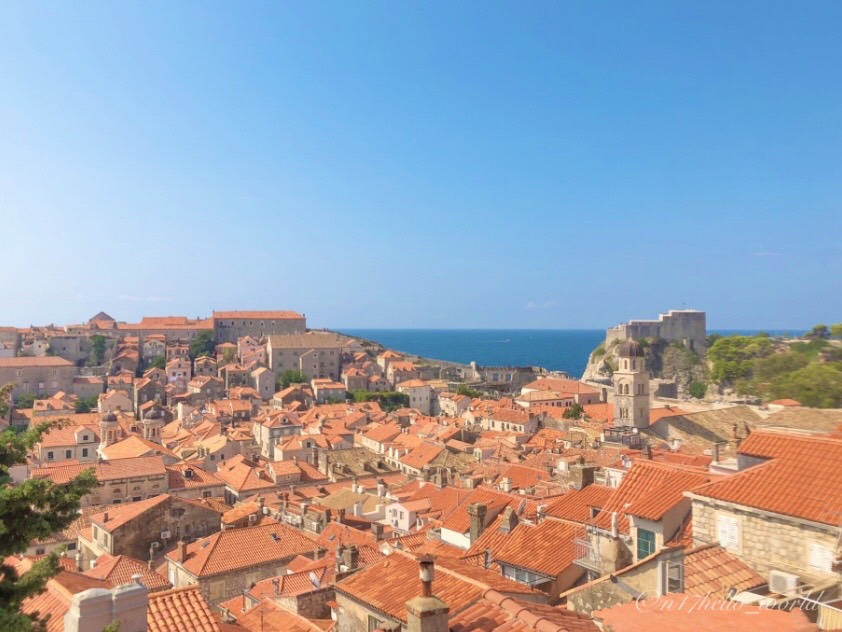
Dubrovnik, the city we visited, is famous for its striking contrast of orange rooftops and blue sea, and is often said to have inspired the setting of Kiki’s Delivery Service. What many people don’t realize is that most of this townscape was destroyed in the conflict with the Yugoslav army. After the war ended, the city was rebuilt using old paintings and records as reference, restoring the beautiful appearance that earned it the name “Pearl of the Adriatic.” In recent years the city has invested heavily in tourism, including attracting film productions, and by 2019 — before the pandemic — it was already welcoming more than four times its population in visitors each year.
Croatia is only about 1.5 times the size of Kyushu (Japan’s southern main island), but I was told that away from Dubrovnik there are still many poor towns with bullet holes in the walls, and that during tourist season people come from all over the country to work in Dubrovnik.
Croatia may also bring to mind its powerhouse national football team — there was even a shop selling football merchandise inside Dubrovnik’s Old Town.
The tourist season runs roughly from May to September; in winter there are fewer sunny days and many shops close, so plan accordingly.
Beautiful streets, a resort-worthy sea, history, lessons in peace, and film locations — Dubrovnik has it all. Let’s dive into this plan for experiencing the southern side of Eastern Europe!
Day 1 (Friday)
21:00 Meet at Haneda Airport
This time we flew JAL to Kansai International Airport, connected to a late-night Finnair flight, and then transited in Helsinki on the way to Dubrovnik. We took this route because I was meeting a friend at Kansai Airport, but Finnair’s overnight flights also depart from Tokyo, so using those means fewer connections.
The flight to Helsinki is nine and a half hours — short for a trip to Europe — so it doesn’t wear you out too much. I booked the Finnair flights through JAL’s international website, which came with several perks:
- Easy arrangement of domestic connecting flights
- The option to choose JAL-operated international flights, giving more flexibility with departure times
- JAL miles are earned automatically
(Note: After Russia’s invasion of Ukraine, many airlines could no longer fly over Russian airspace, so flight times have gotten longer.)
Before boarding the international flight, we exchanged money into euros. Neither Croatia nor Bosnia-Herzegovina used the euro at the time (Croatia used the kuna, Bosnia-Herzegovina the convertible mark. It’s amusing that a currency literally named “convertible mark” is still in use even though Germany itself abolished the mark long ago — these days it’s pegged to the euro at a fixed rate). Exchanging Japanese yen directly into kuna comes with high fees, and money changers in Bosnia-Herzegovina may not handle yen at all, so having euros gives you peace of mind. (Note: Croatia adopted the euro in 2023.) And if you don’t use up your euros on this trip, you’ll have chances to spend them in other countries. Dubrovnik, the main destination, has a fair number of exchange offices that accept Japanese yen, so if you rarely travel to Europe, exchanging just the minimum may be fine.
On board, we changed into comfortable clothes and focused on recovering as much energy as possible!
Day 2 (Saturday)
5:30 Flight connection in Helsinki
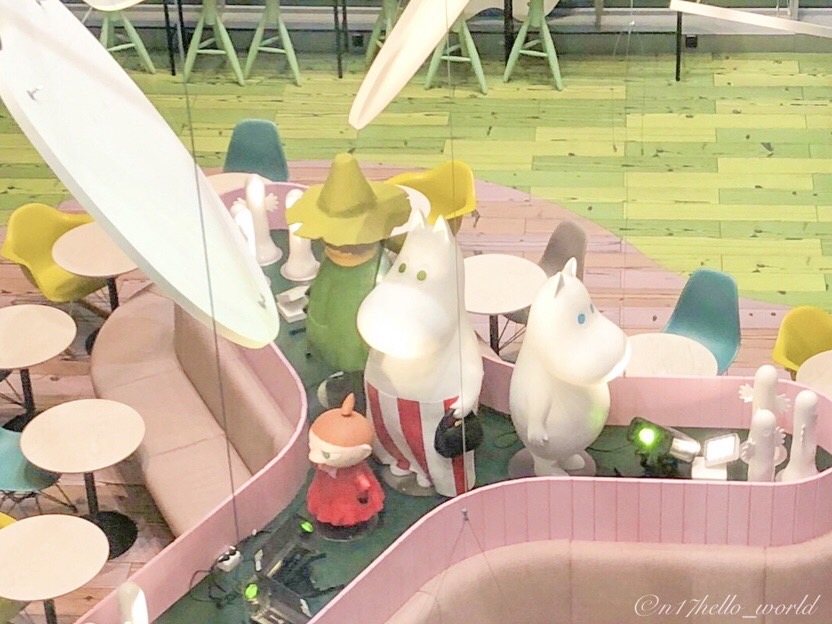
Helsinki Airport, where we transited, has a Moomin cafe like the one in the photo — very fitting for Finland, I thought. It was too early in the morning for it to be open, though.
10:20 Arrive at Dubrovnik Airport
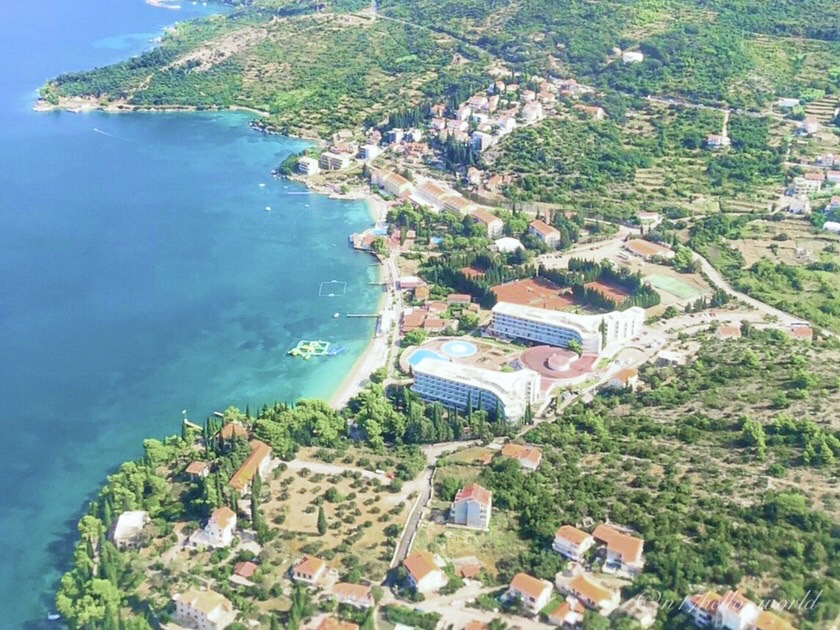
From the airport we took the ATLAS shuttle bus to the Old Town. You can buy bus tickets at the counter right outside the gate. A little tip: sit on the left side in the direction of travel for the best views!
12:00 Arrive at Pile Gate (Vrata od Pila)
At the information office in front of Pile Gate, we exchanged euros for kuna (note: euros are accepted now, so no exchange is needed), and bought a 3-day Dubrovnik Card at the tourist office. The Dubrovnik Card is a great-value pass that bundles bus tickets with admission to major sights like the city walls. Prices have gone up a bit as tourist numbers have grown, but it was still far cheaper than buying individual tickets.
13:00 Bus to our hotel in the Lapad district
Accommodation inside the Old Town is scarce and expensive, so for this stay we chose a hotel in the Lapad district. We took the number 4 bus, as the tourist office had advised (the number may have changed, so please double-check if you go!), toward Lapad.
If you’re not used to buses abroad, like me, I recommend either keeping your map app open during the ride so you don’t miss your stop, or asking the driver to let you know when you arrive and standing near the front — a foolproof approach!
14:30 A late lunch
After checking in and dropping off our luggage, we headed out for lunch. We’d eaten plenty of in-flight meals, so waiting this long for lunch was no problem. We had originally planned to eat at Pantarul, one of the highest-rated restaurants in Lapad, but when we arrived they turned us away — fully booked. I’d assumed an off-peak hour would be fine, but lesson learned: popular restaurants need reservations. Luckily, they could take us for dinner three days later, so we booked on the spot, then grabbed lunch at a pizzeria called Scala on the way to the supermarket (Tommy Supermarket). At the supermarket we stocked up on souvenirs, dinner, and drinks. Water in the Old Town costs more than at a theme park, so buy plenty of drinks at the supermarket and bring them along! Shopping for food at supermarkets is partly about saving money, but honestly, it’s also just fun to see what ingredients are sold in each country.
17:00 Relaxing at the hotel
Back at the hotel, we booked an airport transfer for our departure day at the front desk, then relaxed on the beach in front of the hotel. It was a beach of smooth round pebbles rather than sand, so the water stayed perfectly clear and beautiful.
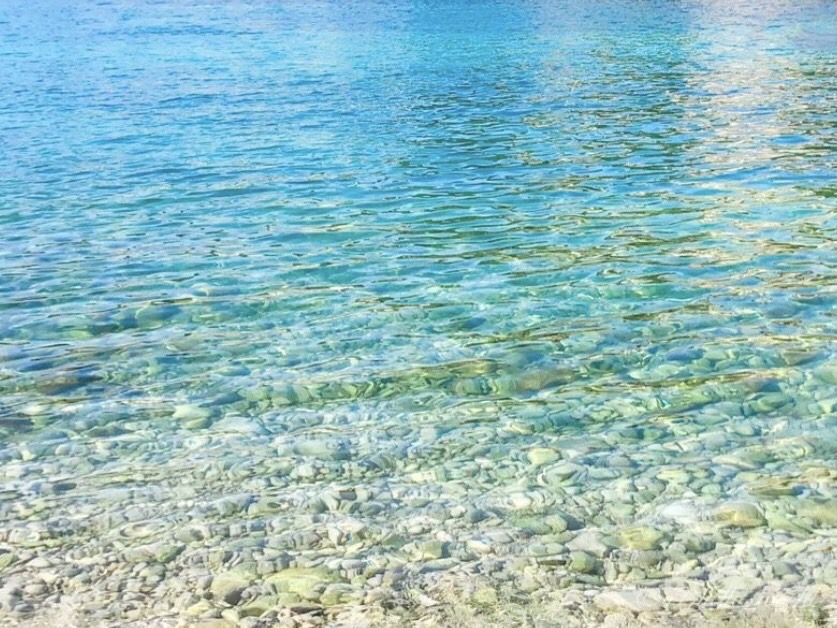
Tired from the long flight, we had an early dinner and went to bed early to be ready for sightseeing the next day.
Day 3 (Sunday)
6:30 Wake up
Having gone to bed early the night before, we got up early and had a hearty hotel breakfast.
7:30 Leave the hotel → Walk the city walls
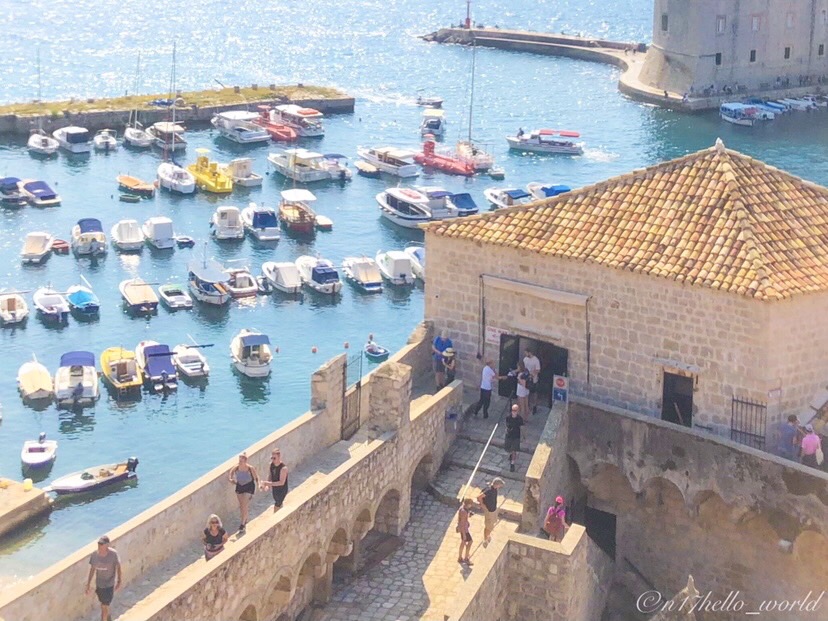
We took the bus to Pile Gate and started our walk along the city walls from the entrance nearby. From the walls you get that quintessential Dubrovnik view of orange roofs against the blue sea.
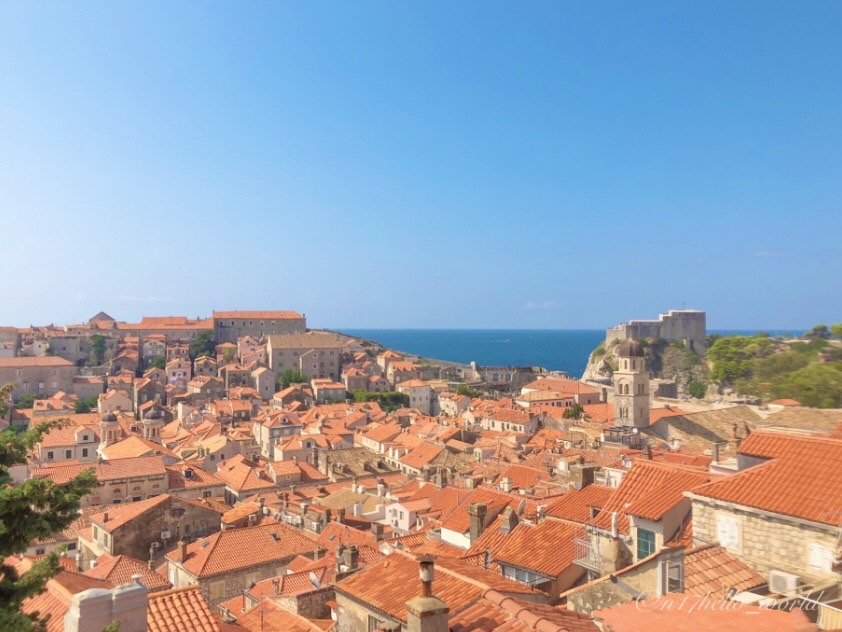
Even in mid-September the sun was intense, but the views were so beautiful that even I — someone who normally worries about UV exposure — happily walked along without a parasol (people outside Japan rarely use parasols, don’t they?).
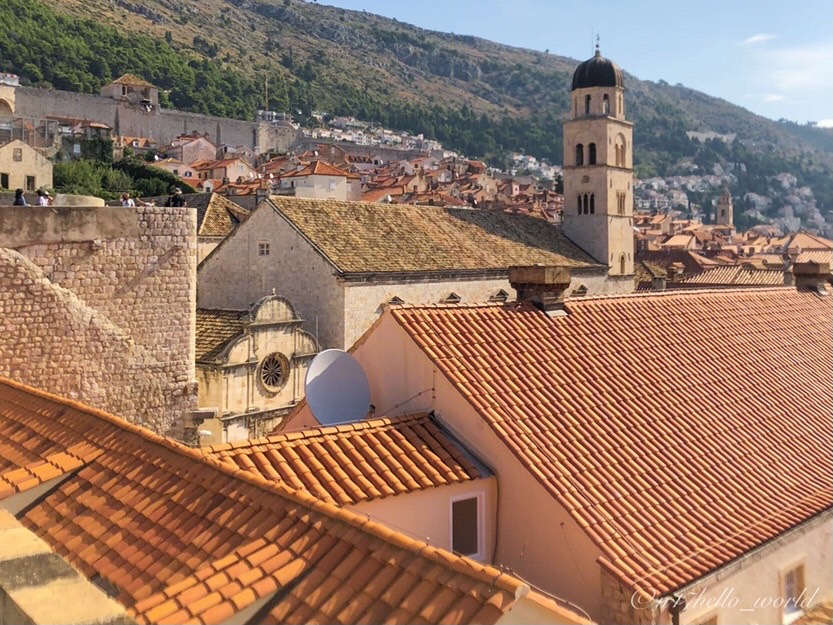
11:00 The Ethnographic Museum
Since admission was included with the Dubrovnik Card, we stopped by the Ethnographic Museum. There’s a lovely view from the staircase between the second and third floors.
11:30 Lunch
We ate lunch before the crowds arrived. I remember choosing a reasonably priced restaurant in the Old Town (though everything there is on the pricey, touristy side!).
13:00 To the viewpoint at the top of Mount Srd
We headed for the summit of Mount Srd, which overlooks all of Dubrovnik’s Old Town. The cable car is the easiest way up, but it stops running at the slightest strong wind… Sure enough, it halted right before we were about to board and showed no sign of restarting no matter how long we waited. Eventually we gave up and decided to take a taxi to the top.
There are drivers touting for taxi rides at the cable car station, but hopping into an unlicensed taxi felt a bit risky, so we went back to the town center and had the tourist information office arrange a taxi for us. Booking through the tourist office meant the fare was fixed up front, which was reassuring.
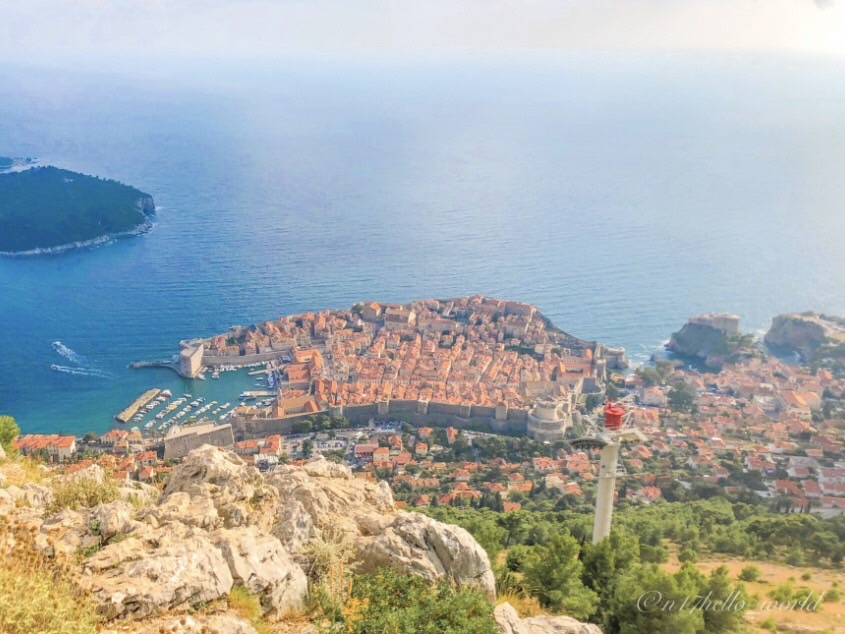
This is the view from the summit of Mount Srd. I still regret not owning a camera at the time — the real thing was about a million times more beautiful than this photo, so I really hope you’ll visit and see it for yourself.
Incidentally, the far side of Mount Srd is already Bosnia-Herzegovina territory.
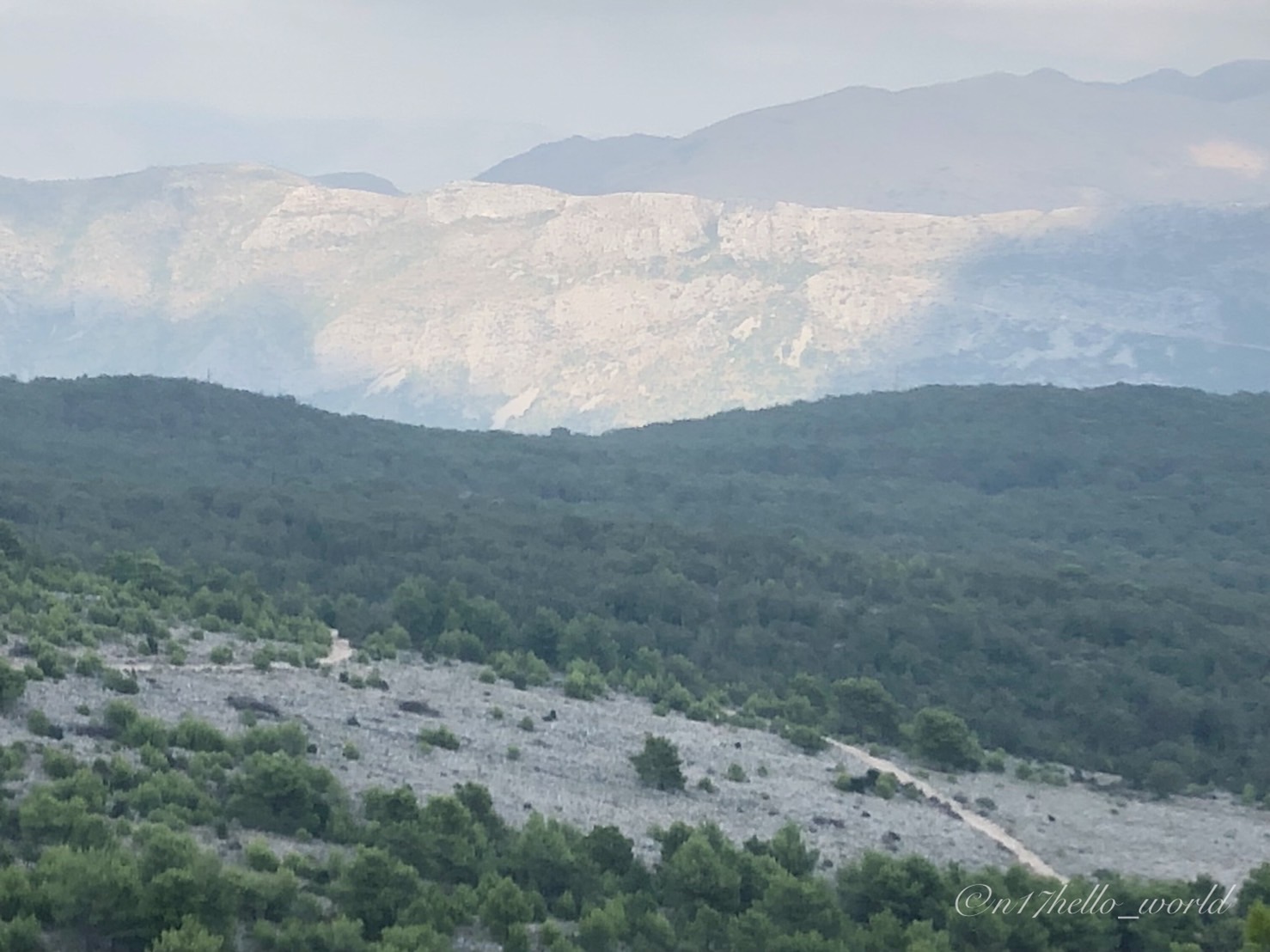
Our taxi driver shared stories like “that side over there is Bosnia-Herzegovina” and “the holes in that building are bullet marks from the civil war” — in the end, I was glad we went by taxi instead of the cable car.
The driver was from the outskirts of Zagreb, the capital, and came to work in Dubrovnik every summer, where prices are as high as in Western Europe (maybe even higher?). He said he works through the tourist season without a day off and earns a whole year’s living expenses. It feels strange that prices are dramatically cheaper in the capital.
What struck me most was when he casually mentioned, “The war ended when I was twelve…” Of course I know war hasn’t disappeared from the world, but in Europe — a place it’s easy to carelessly picture as “all developed countries” — hearing those words slip so naturally from someone who still looked young made me realize the Yugoslav Wars really weren’t that long ago.
With some time to spare, the driver also took us to a peaceful cafe a little way outside the Old Town.
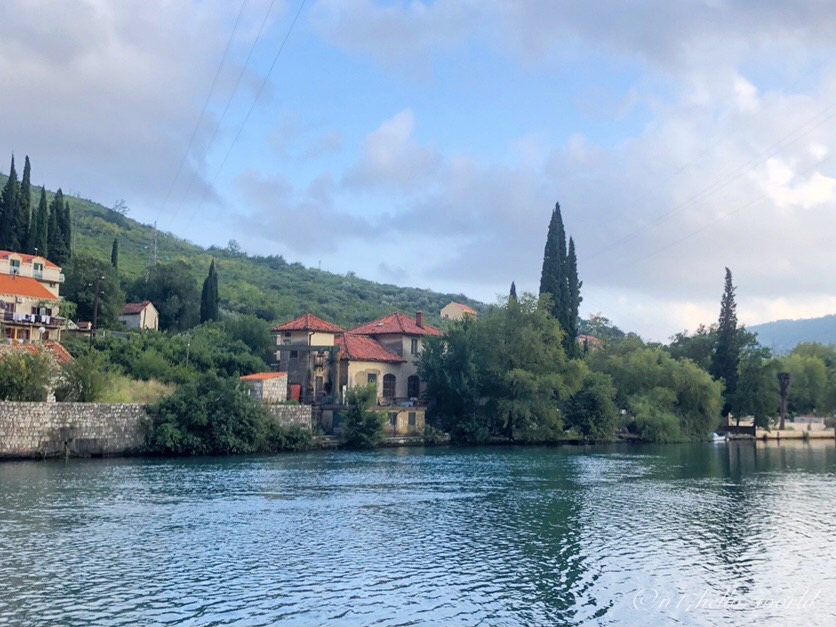
16:30 Bus from Pile Gate back to the hotel
We picked up dinner at the bakery right by Pile Gate (Mlinar) and took the bus back to the hotel. After such a full day from early morning, we ate an early dinner and turned in early!
This post has gotten long, so I’ll cover the rest in Part 2. ☺︎
I hope you’ll read Part 2 as well!